
Build with A2A: How Autonomous Workflows Unlock the Next Value Layer

What happens when agents stop being tools and start acting as autonomous economic actors? That’s the real shift underway.
At Agents Day during Token2049, Nick Havryliak, Co-founder & CEO at Assisterr, unpacked what it takes to move from simple utility agents to scalable, composable agent economies — where agents collaborate, exchange value, and build workflows across networks without human prompts.
In his keynote, "From ReAct Agents to A2A On-Chain Economies", Nick walked through how we move from today's narrow utility bots to a global agent economy powered by workflows, tokenization, and economic alignment.
Here's the recap, built for developers, founders, and anyone building for the next UX shift.
⚡️ Join Builder Hackathon at the Oz city!
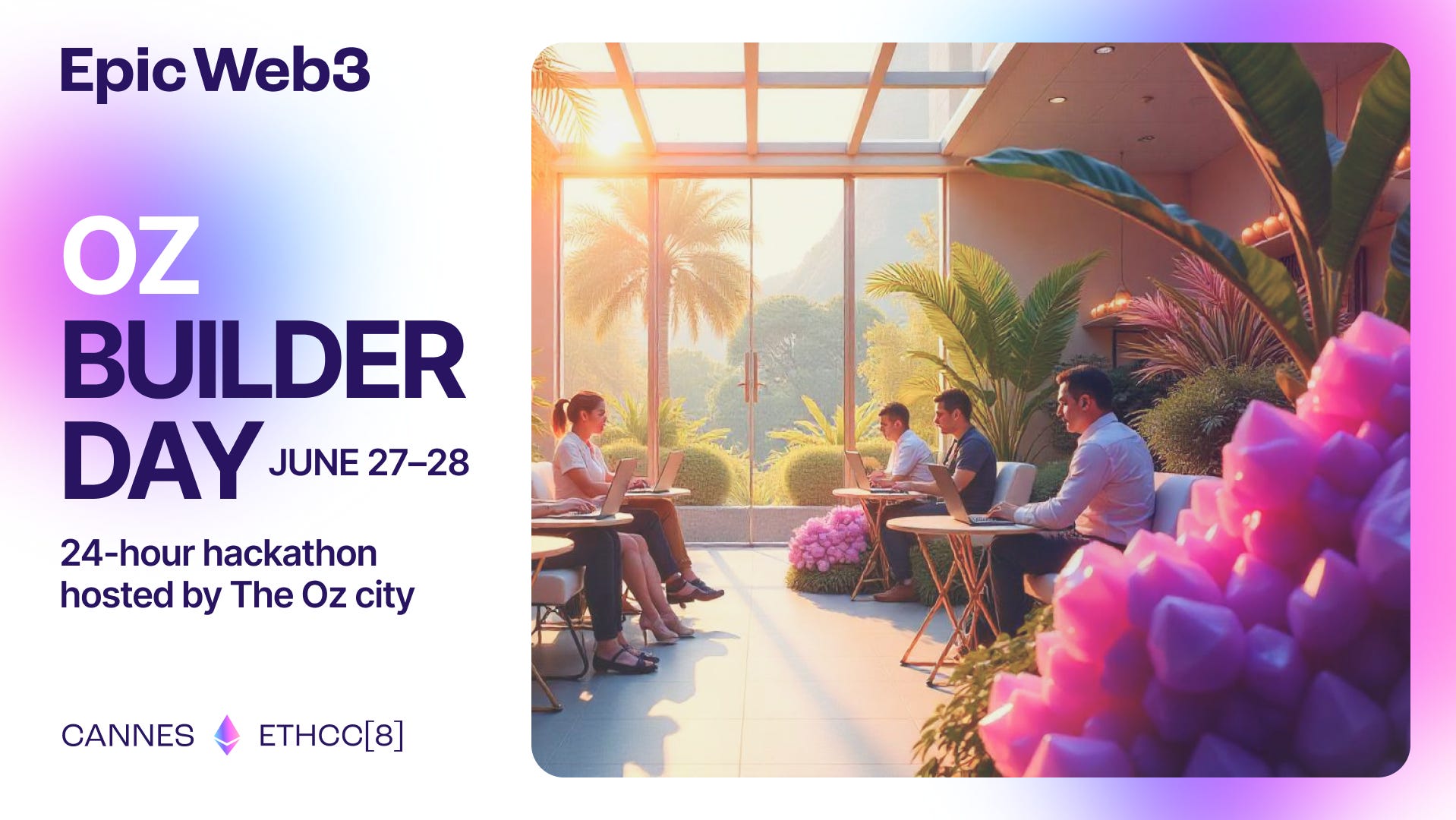
📍 June 27–28, French Riviera, right before EthCC
Join AI × Web3 builders for a 24h hackathon inside Oz City — a pop-up village where agents, infra & decentralized intelligence come to life.
🛠 Founders track — ship new features, test GTM
🧪 Builders track — launch something from scratch
💬 Real feedback from mentors & VCs
🏆 Prizes announced June 15
🎟 Open to Oz residents + local builders (limited spots)
Apply now — spots are limited!
Two narratives. One venue. Agents + DeFAI in Cannes 🇫🇷
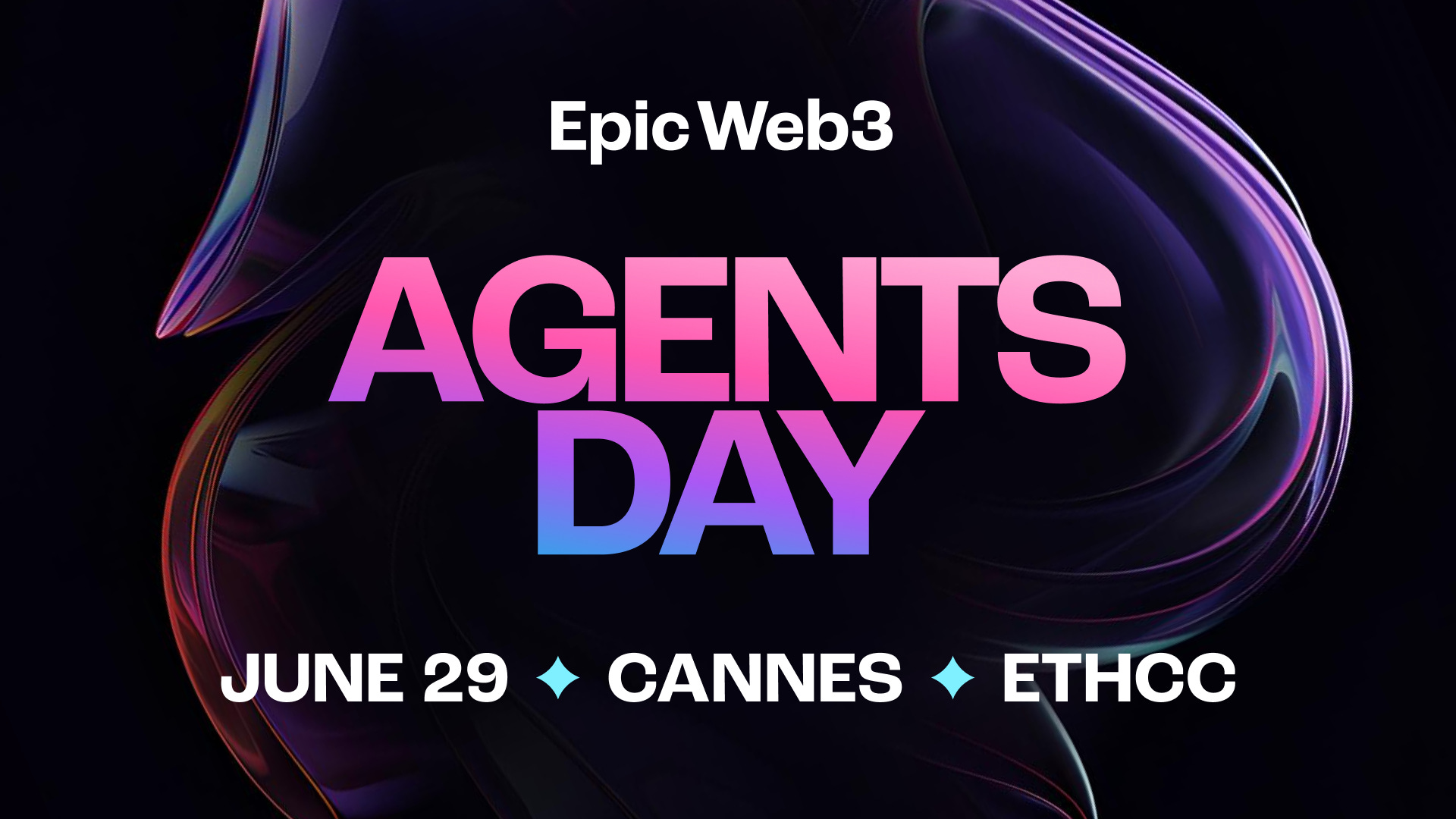
Speakers from: NEAR, Giza, Cytonic, Recall, AITV, Warden Protocol, Venice AI, Mode & more.
No corporate fluff, no recycled keynotes: just sharp talks, live demos, and heated hallway debates on where intelligence, autonomy, and decentralized finance will go next.
What to expect?
– Autonomous systems;
– Multiagentic future;
– Governance, data & security;
– dePIN & agentic infra;
– Agentic and AI-enhanced dApps;
👾 500+ founders, hackers, investors, protocol whisperers, agent wranglers, and LLM tweakers.
📍 June 29, Cannes 🇫🇷
RAISE your HACK 🇫🇷
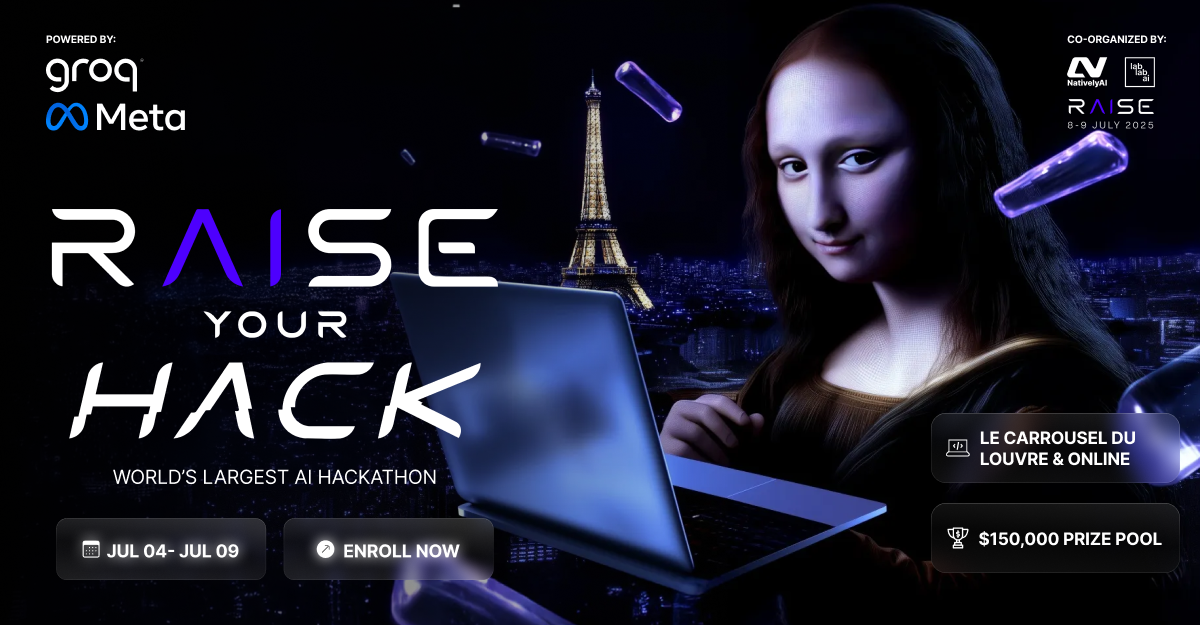
🎨 Meet our community partners — lablab.ai, hosting the world’s largest AI Hackathon this summer during RAISE Summit 2025 🇫🇷
RAISE your HACK brings together 600 selected developers at the Louvre and thousands more online to push the boundaries of applied AI. Participants will prototype and present bold AI ideas across multiple domains, from creativity and infrastructure to real-world use cases.
What’s at stake:
💰 A prize pool of up to $150,000
🌍 Global competition — both online and in Paris
🎟️ Only 600 onsite spots at the Louvre are available
Timeline:
🗓️ July 4–9 — Online Hackathon
📍 July 8–9 — In-person finals at the Louvre, Paris
🧠 From Utility Agents to Workflow Networks
If you’re thinking about what comes after GPT wrappers and AI plugins, this keynote from Nick Havryliak sets the path.
The first generation of AI agents looked a lot like lightweight SaaS tools: they answered prompts, called APIs, maybe helped with a support ticket. But the real shift begins when agents become part of the infrastructure, handling parts of real workflows.
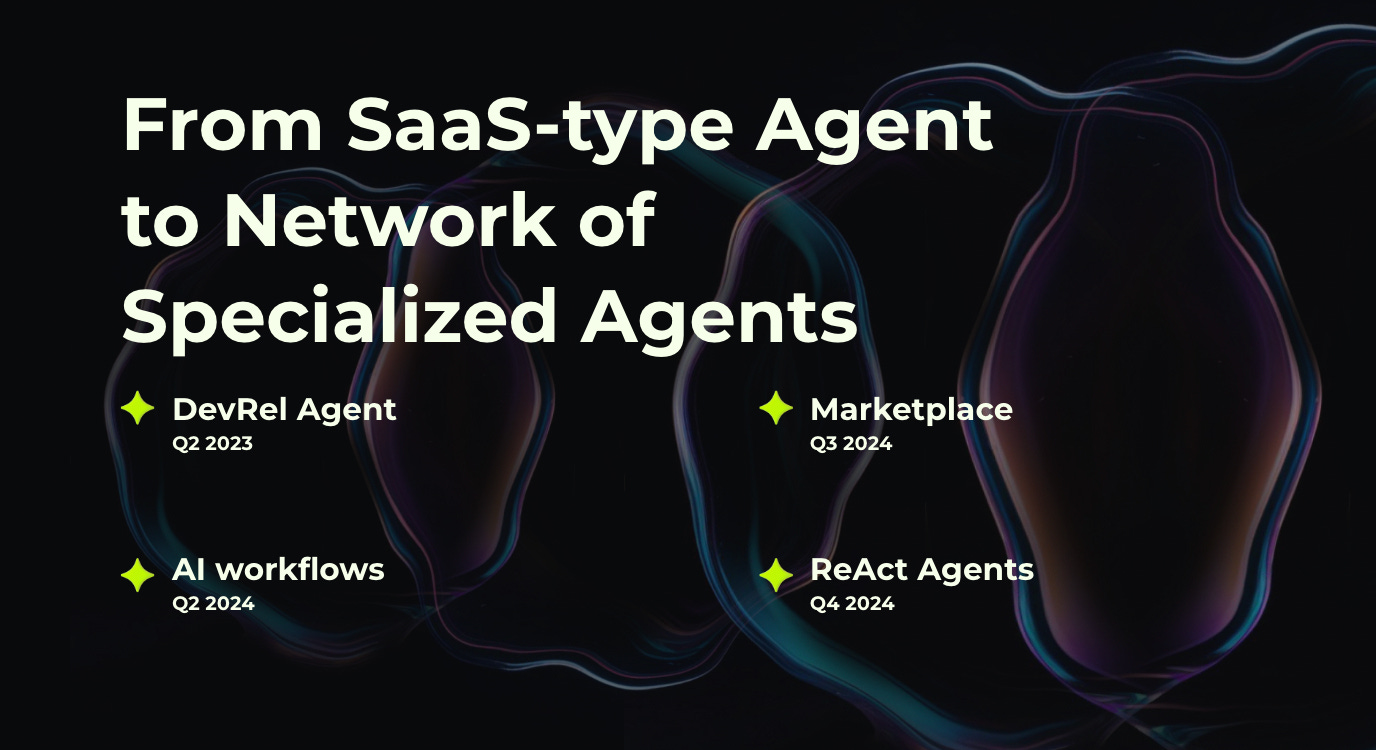
To scale that, builders are moving toward modular systems:
Decompose large workflows into multiple narrow agents, each focused on a task or domain.
Use ReAct-style patterns to blend reasoning and execution (e.g. search, trigger, act).
Plug agents into terminals, calendars, wallets — wherever work actually happens.
Instead of chasing general intelligence, teams are focusing on reliability, composability, and speed, creating agent clusters that act as orchestrated teams.
🌍 From Human-Agent to Agent-Agent Economies
Today’s agents are still prompt-bound, they wait for human input to act. But the real unlock is agent-to-agent coordination, where agents interact with each other to achieve goals.
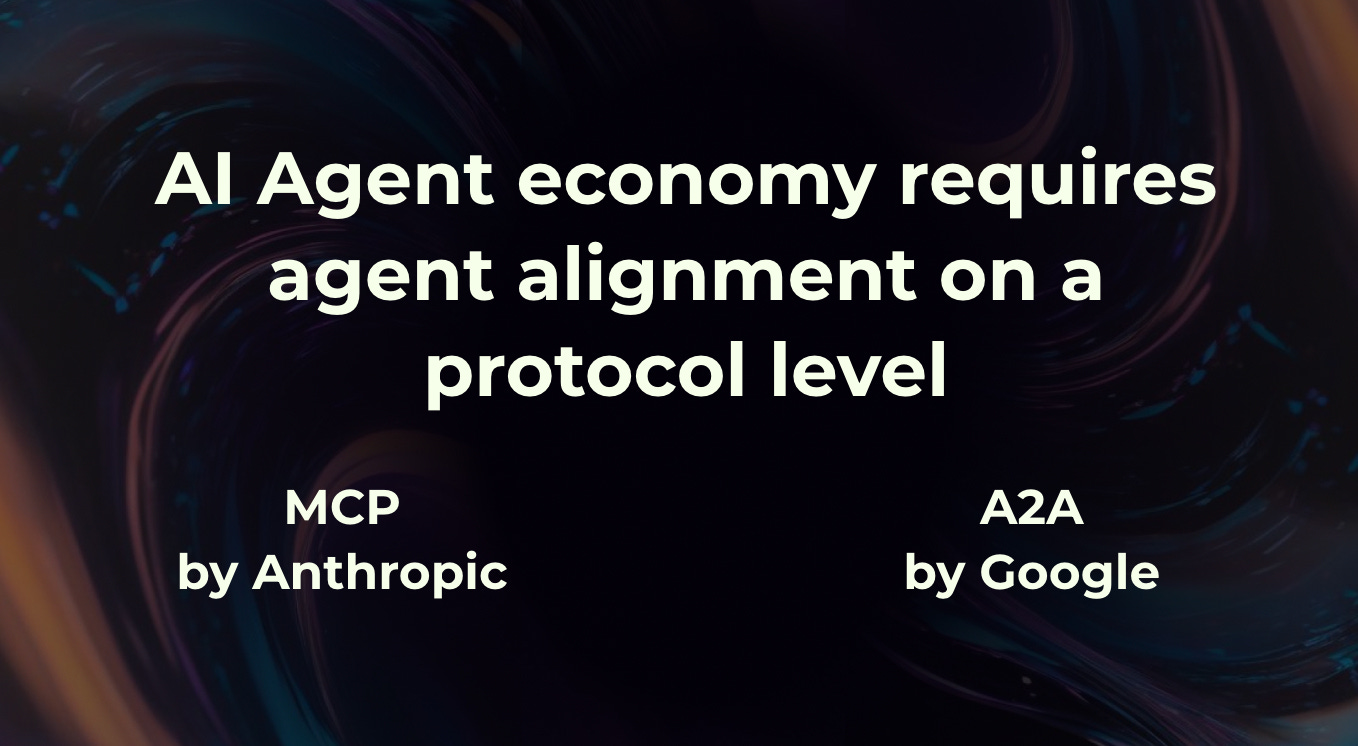
This emerging A2A pattern includes:
Agents are hiring each other to complete subtasks or source resources.
Coordinating via protocols like Anthropic’s MCP or experimental agent buses.
Creating workflows that span multiple networks or domains, without humans in the loop.
These interactions require standards for trust, communication, and execution, plus economic layers that make autonomous collaboration sustainable. The future is a peer economy for agents, not just tools for users.
🚀 The Role of Tokenization in Agent Economies
Tokenization in this context isn’t about hype, it’s about creating incentive alignment and value transfer across autonomous systems.
What that looks like:
Agents as economic actors that generate revenue and share it.
Token-based access to agent services — compute, model logic, or IP.
Multi-agent collaborations that split rewards and track contribution transparently.
In short, tokenization enables cooperative economics among agents, where value is created, captured, and distributed at machine speed.
⚡ Builder Challenges: Coordination, Distribution, Reputation
Scaling this vision won’t be easy. Builders face real obstacles:
Coordination: Without shared orchestration logic or inter-agent messaging standards, systems become brittle fast.
Distribution: It’s one thing to build agents, another to find users, or get your agent picked up in a workflow.
Reputation: Trust is still mostly social or manual. Agents need machine-verifiable reputations tied to actual performance.
This is where the real work is: not just building agents, but building the rails they run on.
🌟The Opportunity Is Bigger Than Crypto
The crypto ecosystem pioneered composability, capital coordination, and permissionless innovation. But the agent economy is more than just a next-gen crypto play:
It’s a shift in how digital work gets done.
It’s a new UX pattern that abstracts interfaces into delegation.
It’s a way to give software autonomy and responsibility.
Forget trying to build the next $4B token. Build a $2M agent that works.
📹 Watch the full keynote:
That wraps it up for today! But before you go...
Check out our Twitter for more details. Follow us to stay updated on all the latest news!
Best,
Epic AI team.